Building date: 1830's
Original use:
Corner structures:
Mortar application and content: Vertical very heavy, bold
Types and uses of stones:
Types and choice of windows:
Structures with similar masonry details:
Masons who worked on building: Thought to be built by Mr. Langworthy.
Unique features:
Map views courtesy Google Maps. Address is GIS Database and Google Earth confirmed; 43°12'12.75"N 77°37'09.29"W. Current owner of record, Minges as of 2018 Tax Roll.
Town of Irondequoit and Monroe County Maps
This house at 2523 St. Paul Boulevard shows the combination of fine Neo-Classical lines, mixed with heavy piers, and decorated with lacey cast-iron trim. These are all hallmarks of the Regency style (generally 1800-1840 period), as developed in England and spread to both the U.S. and Canada by British architects. Richard Palmer blog.
List of original and subsequent owners from 1824 to 1948. Courtesy Cobblestone Museum.
Adding Final Touches Upon Old Dwelling, Rochester Democrat & Chronicle Sunday, August 24, 1930
Old Colonial Paper Being Used in Modernizing Demonstration Home
The final finishing touches will be made to the modernization of the house of the Democrat and Chronicle this week, the old cobblestone dwelling at 2325 St. Paul Boulevard at Stop 2. Interior decorators are finishing the papering and painting of the interior, and the painters are completing the floor and kitchen colorings.
The home is being modernized under direction of the Better Homes Department of this newspaper, as an example of what may be accomplished with an old dwelling through proper planning and with moderate cost. Advice of the department's building engineer, B. F. Weld, is available on any question of home modernizing. Plans will be provided for projects large or small.
Modern Conveniences
While the aim has been to restore the cobblestone dwelling, over a century old, to a charming and attractive colonial home, modern conveniences and comforts have been provided for. This is a necessary provision in any remodeling, to make the dwelling more livable and comfortable for the occupants. The kitchen and bathroom of the demonstration house bear no resemblance to the early layout or equipment of the structure, but have been arranged so as to give the maximum of charm and convenience.
The kitchen, the color scheme of which will be ivory and blue, has cupboard space all along the west wall, flanked on each side by arched doorways. One leads to the garage and the other to the rear stairway to the second floor. The sink is on the north wall, between a casement window and doorway. The stove will stand on the east wall. On the south will be a breakfast corner, beneath two casement windows.
Part of the cupboard space on the west wall will be used for a refrigerator, obtained from the Gilbert Appliance Corporation. The bathroom, which will have lavender walls, has a recessed tub built in an archway, with shower. The layout of the room and the fixtures follow the newest in design. The fixtures were obtained from the Barr & Creelman Company.
Scenic Papers
The wallpaper will be one of the many charming touches in the dwelling. Old colonial papers, supplied by A.H. Jacobs & Company. will be used throughout, with the scenic types in the downstairs rooms and main hall. The living room paper has picturesque scenes of landscapes and soldiers, with a light brown background.
Over the fireplace in the living room are paneled cupboards, an old colonial custom. The mantel for the fireplace and one in the library are of the old-fashioned type which blend with the interior decorative scheme. Special lighting fixtures also have been provided for the downstairs room by the Light-o-lier Company, reprinted here by Fred P. Tosch, Inc. They are of the old oil lamp type, with glass lamp shades of pewter.
Inspection Invited
Public inspection of the home is invited at any time. Increasing numbers of persons have visited it as it is approaching completion for remodeling ideas. Considerable interest has been showing the old floors in the home, of varying widths, in pine. In one room it has been necessary to lay new floors, but where possible the old ones are being treated, repaired and restored. They will be painted and waxed. Paint for the home has been supplied by the James H. Sips Company, and lumber by the Comstock Lumber Company.
The home is located in the Parkwood tract of General Realty Service, Inc., where several new homes are under construction or contemplated.
The Cobblestone House, Rochester Democrat & Chronicle, Sept. 11, 1930
Renovation and modernizing of an old cobblestone house on St. Paul Boulevard, under direction of the Better Homes Department of the Democrat and Chronicle, has brought to light some of the possibilities of such houses for continued service. There are many houses of similar construction in the lakeside communities. When the cobblestone era was at its height, construction of farm dwellings from the materials offered by beaches and sandbanks was developed to a fine art. Members of pioneer families tell of the immense labor involved in selecting just the right sort of rounded, lake-washed cobbles from the beds where waves and rocked and polished the stones for untold centuries.
The cobbles were drawn in wagons to the site selected for the house, and then came the work of sizing them for the various courses. As may be seen by inspection of some of the dwellings, every stone was set in the cement with as great care as if the wall were a work of art, as indeed it was when finished. Cobblestone houses were well planned and were built to last. Time was of little consequence to the builders, so that there was no skimping of effort to produced a finished job. Materials were cheap, except for the labor of gathering and sorting them. The preservation of such dwellings and their adaptation to modern needs is well worth while, for they are one of the native architectural features of the lake counties. Richard Palmer blog.
This house, covering 3,160 square feet, was sold for $264,000 in 2018. It contains five bedrooms, two and half baths and additions at the rear. It is designated as a historic landmark locally but is not on the National Register. In 1928 the Democrat & Chronicle also co-sponsored with Fred P. Tosch Inc. and Home Owners Service Institute the construction of a house at 288 Wimbledon Road that was placed on the National Register in 2015. Courtesy Richard Palmer email.
Realtor "For Sale" newspaper advertisement, date unknown.
The Jenkins house on. St. Paul Boulevard, in Irondequoit, probably was built about 1840, although the owners claim the date was between 1805 and 1815. It is a very lovely one-story house of field cobblestone of varied colors. There is a low projection on each side and rambling ells, partly of brick. The porch, which is included within the roof line of the south projection, is finished with plain cement, which gives a pleasing contrast and reflects more light inside than the stones would. A narrow porch with wrought iron supports has been added in front of the long first floor windows. Dorothy Pease Collection 1940-1941.
"This House is Human", Cobblestone Stories - 2, by by Maude I. West, Town of Irondequoit Historian, Times-Union 1961.
The Kronsbein (Kransbein) House is one and the same as 2523 St. Paul Boulevard. Additional news coverage of its renovation by the Democrat and Chronicle is [available from 05/26/1929 to 09/07/1930]. Courtesy Christopher Brandt, Architect, email 02/04/2020.
Jenkins-Kransbein House, St. Paul Blvd. (Summerville Blvd.) is included in the book "Cobblestone Architecture", 1944, Carl Schmidt, Page 49 and Page 79.
- Front of Kronsbein House drawing, Entrance Door straight on view. Carl Schmidt Collection of Two-Dimensional Drawings, online access to view, New York Heritage digital collections.
- "Cobblestone Masonry", 1966, Carl Schmidt: Name reference, Flint - Grimwood House
- Page 55, Methods of Lay Up Cobblestones Page 237, Sections Thru Various Stone Courses Page 255, Interior Trim Page 298
- Photographs
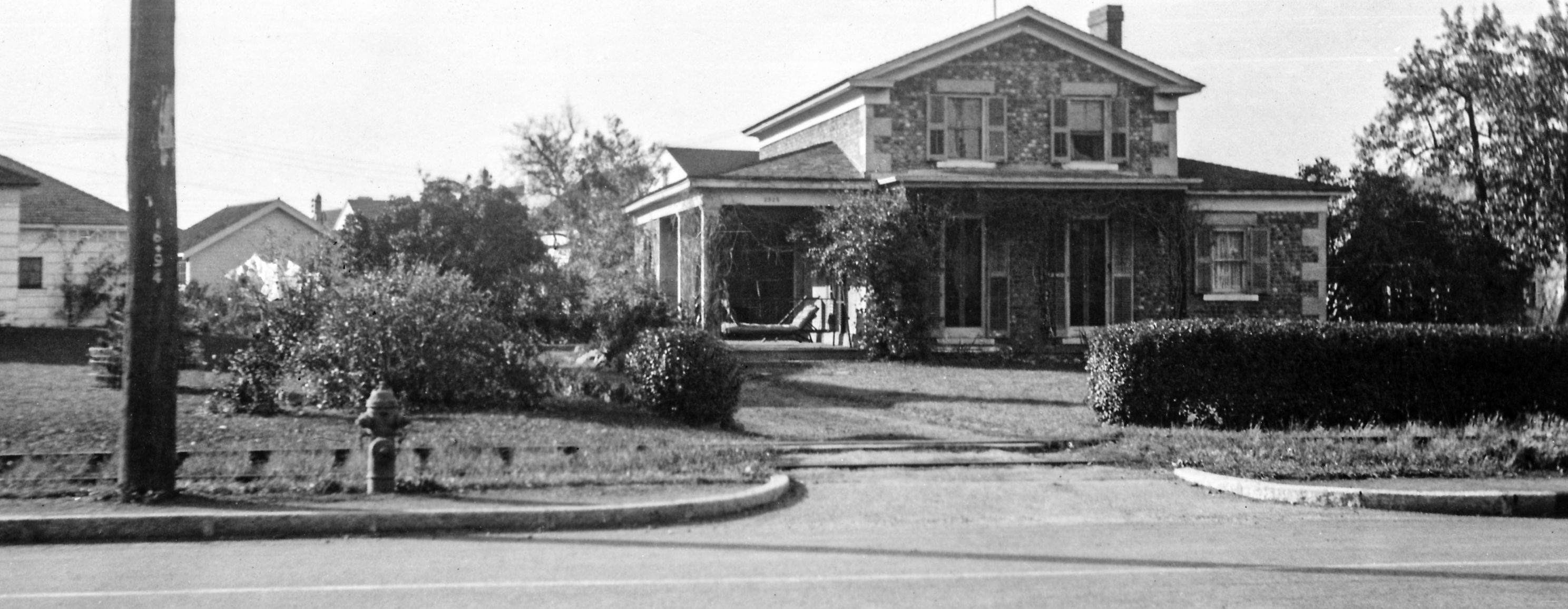
Iro-2 Flint-Grimwood 4.jpg ¹ Charles Hopkins Collection C. 1930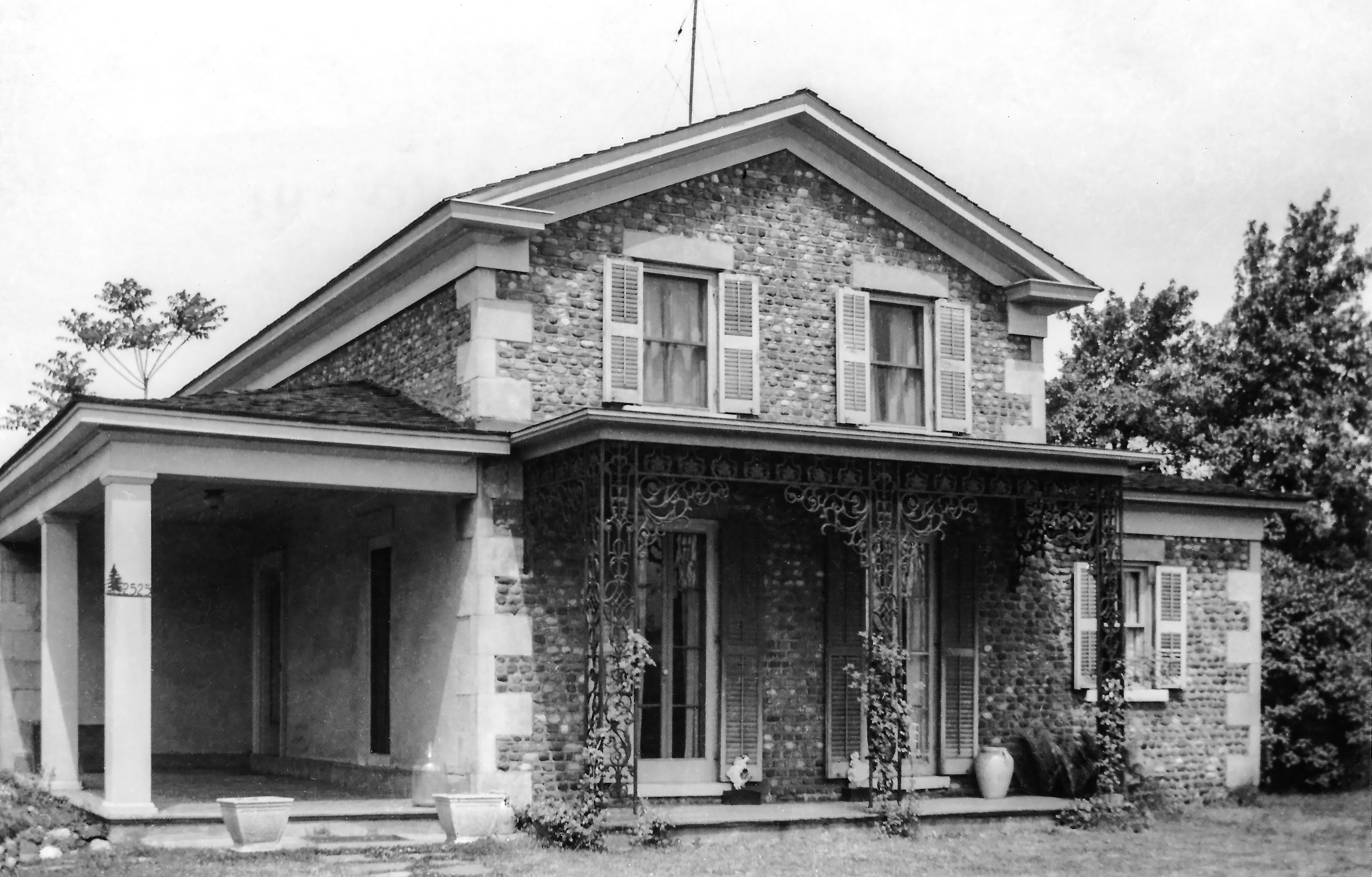
Iro-2 Flint-Grimwood 5.jpg ¹ Pease Collection 1940-1941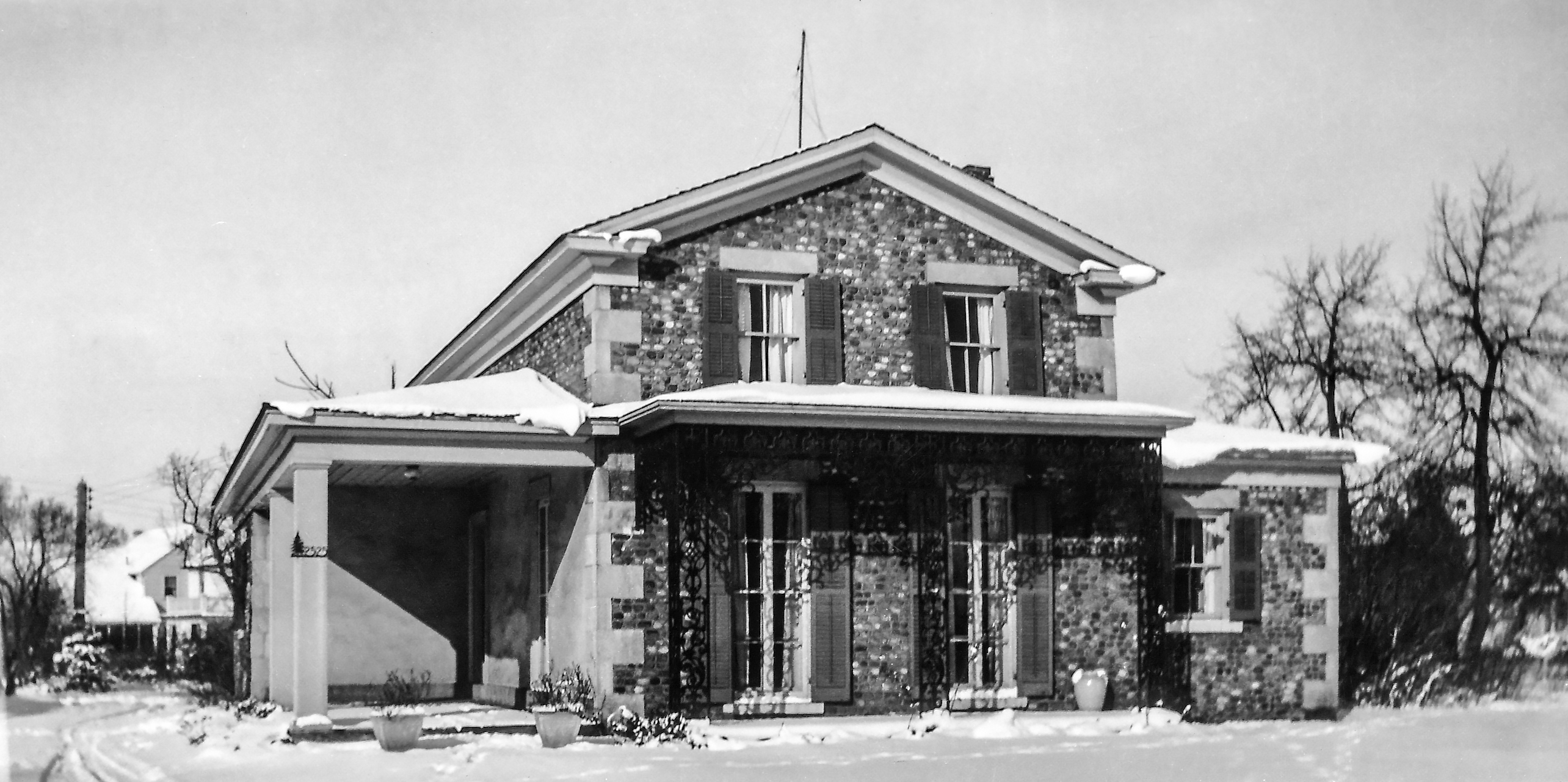
Iro-2 Flint-Grimwood 7.jpg ¹ Van Houten Collection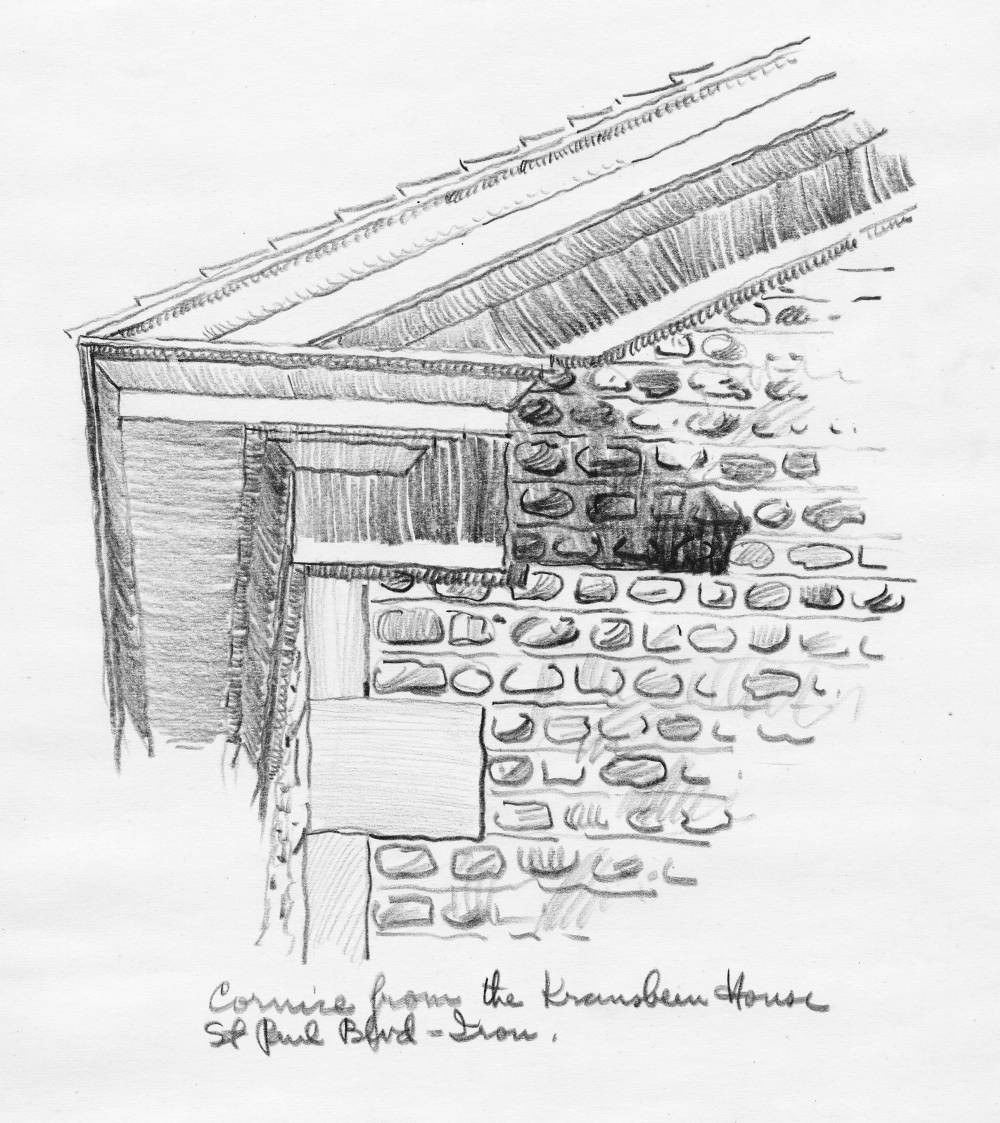
Carl Schmidt Drawing.jpg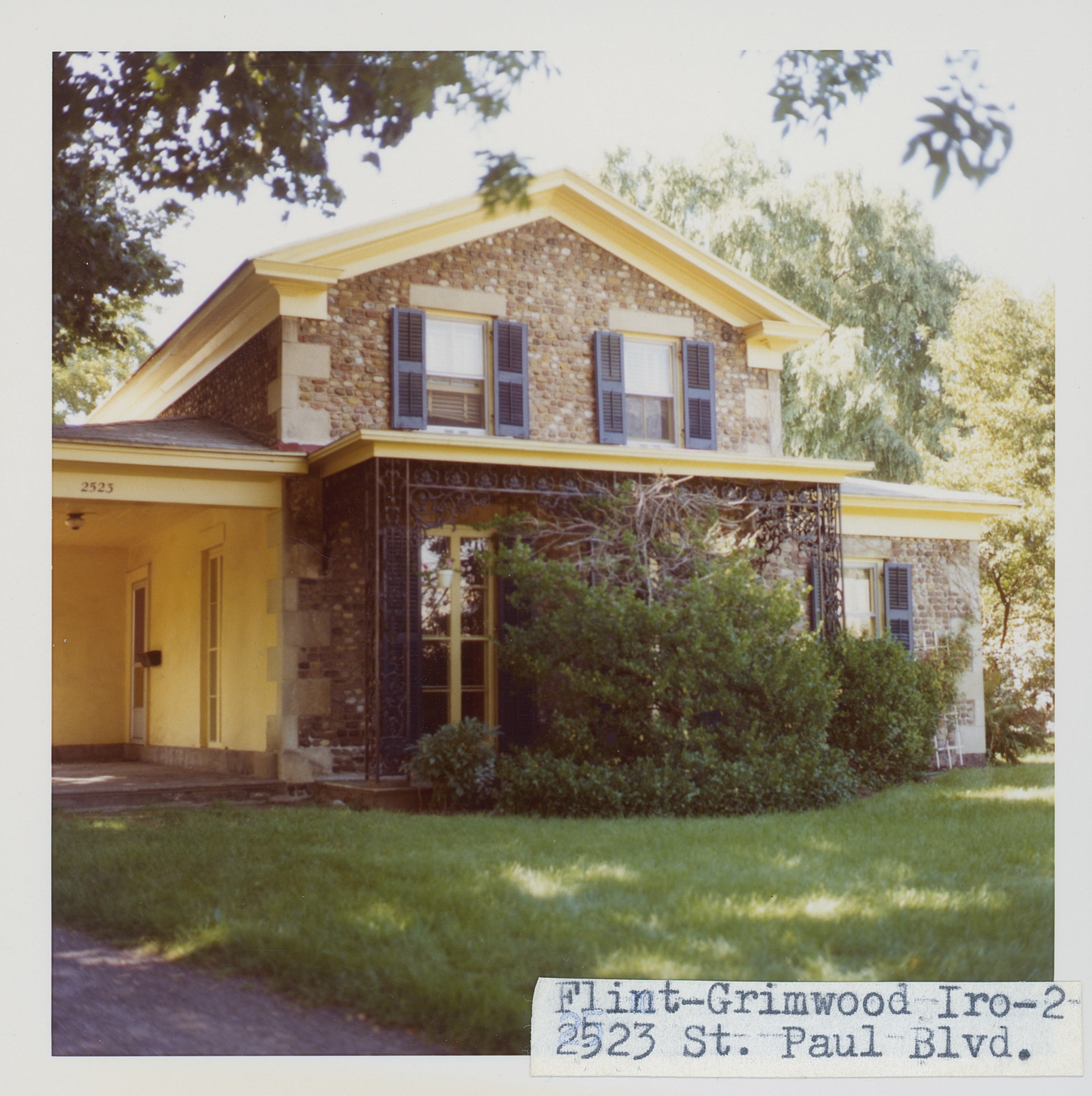
Iro_2_1.jpg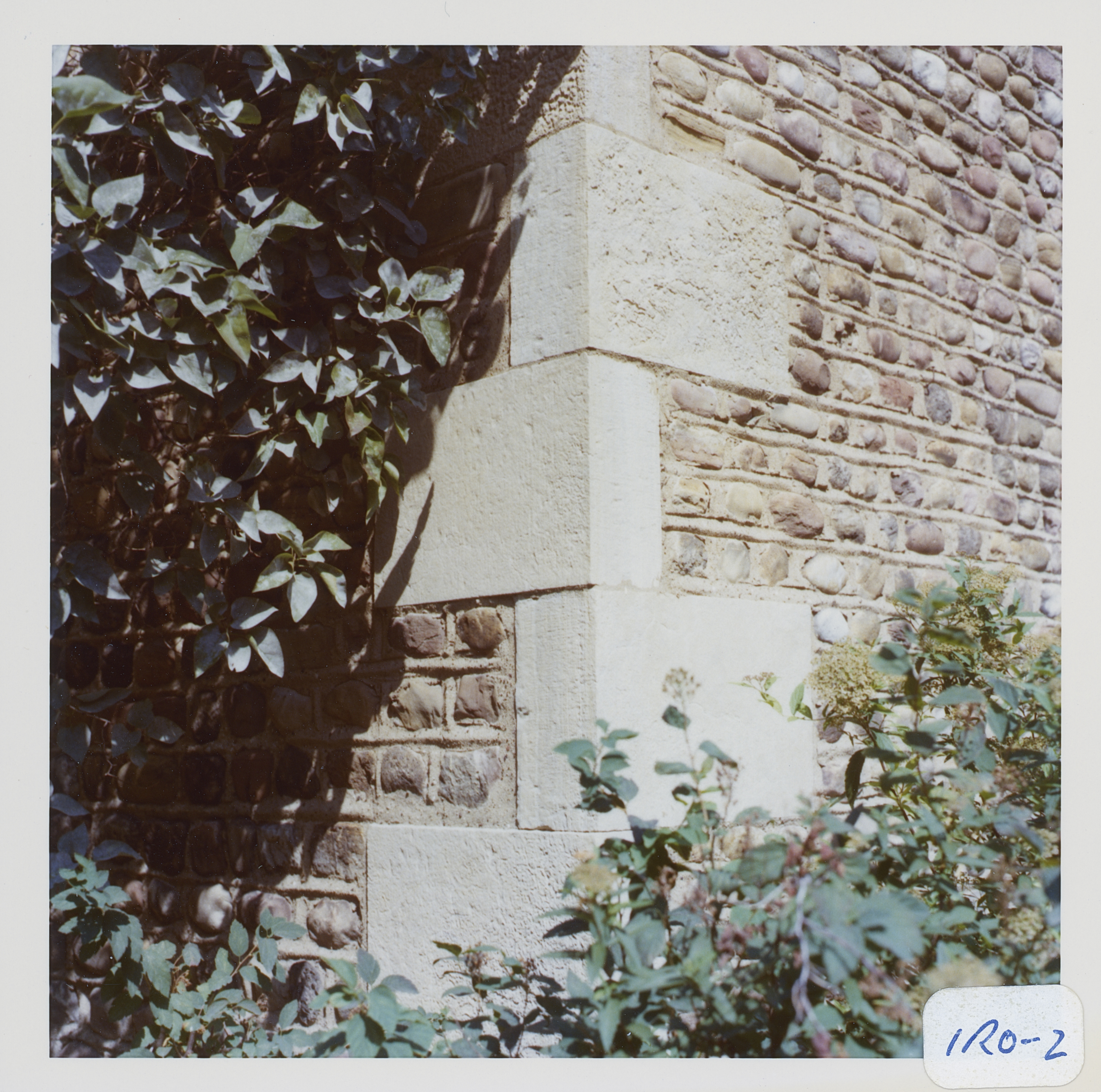
Iro_2_2.jpg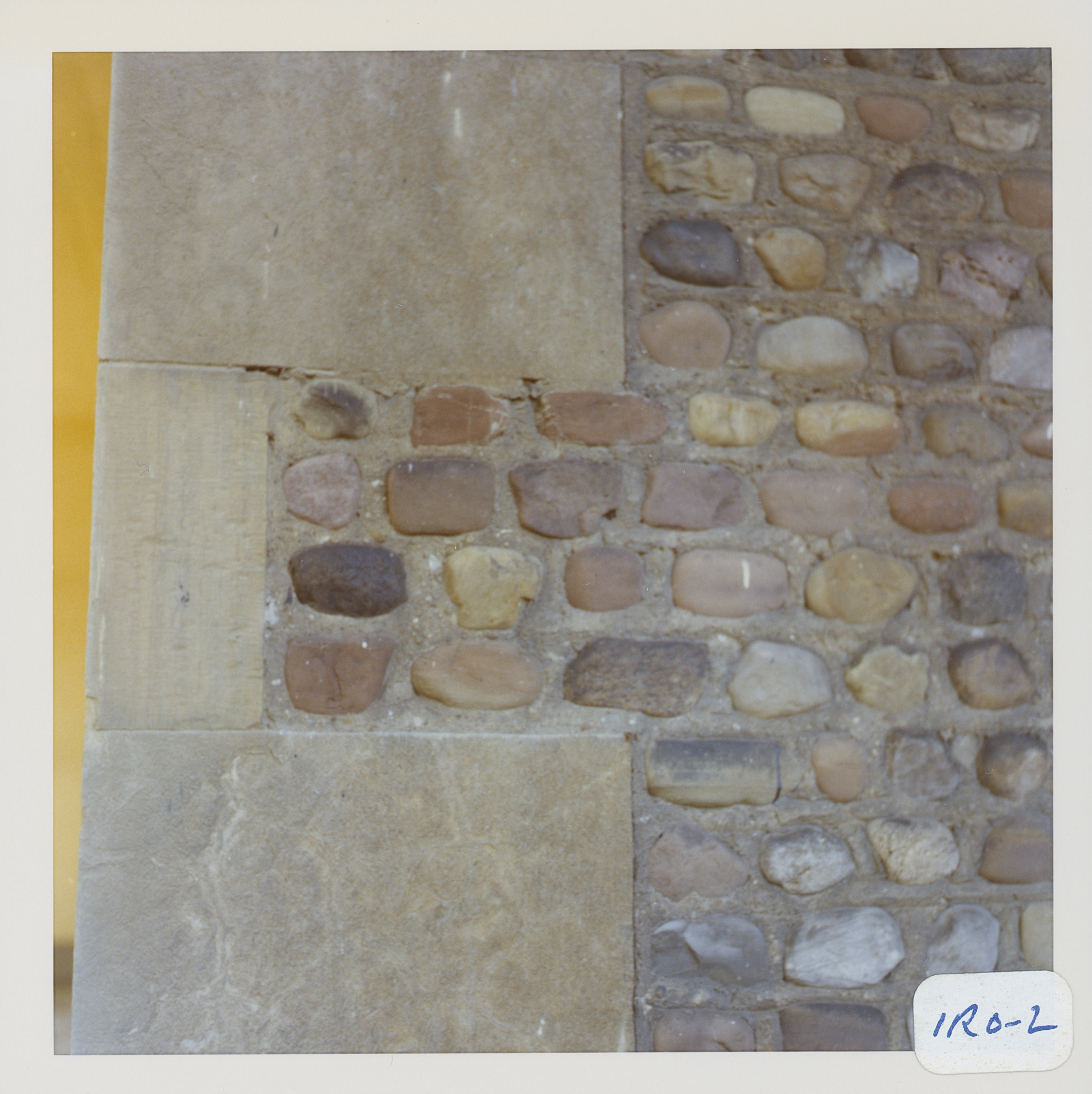
Iro_2_3.jpg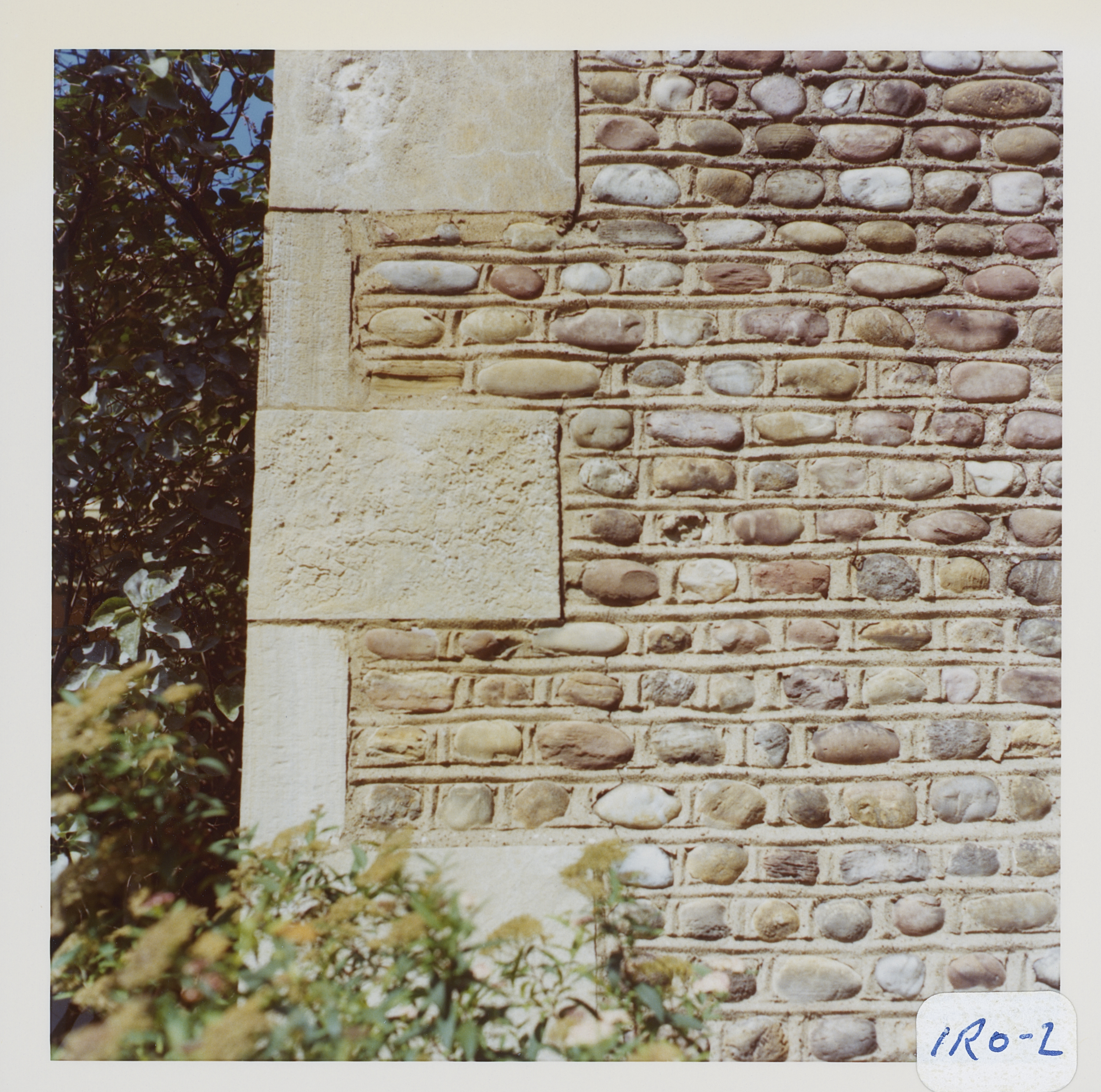
Iro_2_4.jpg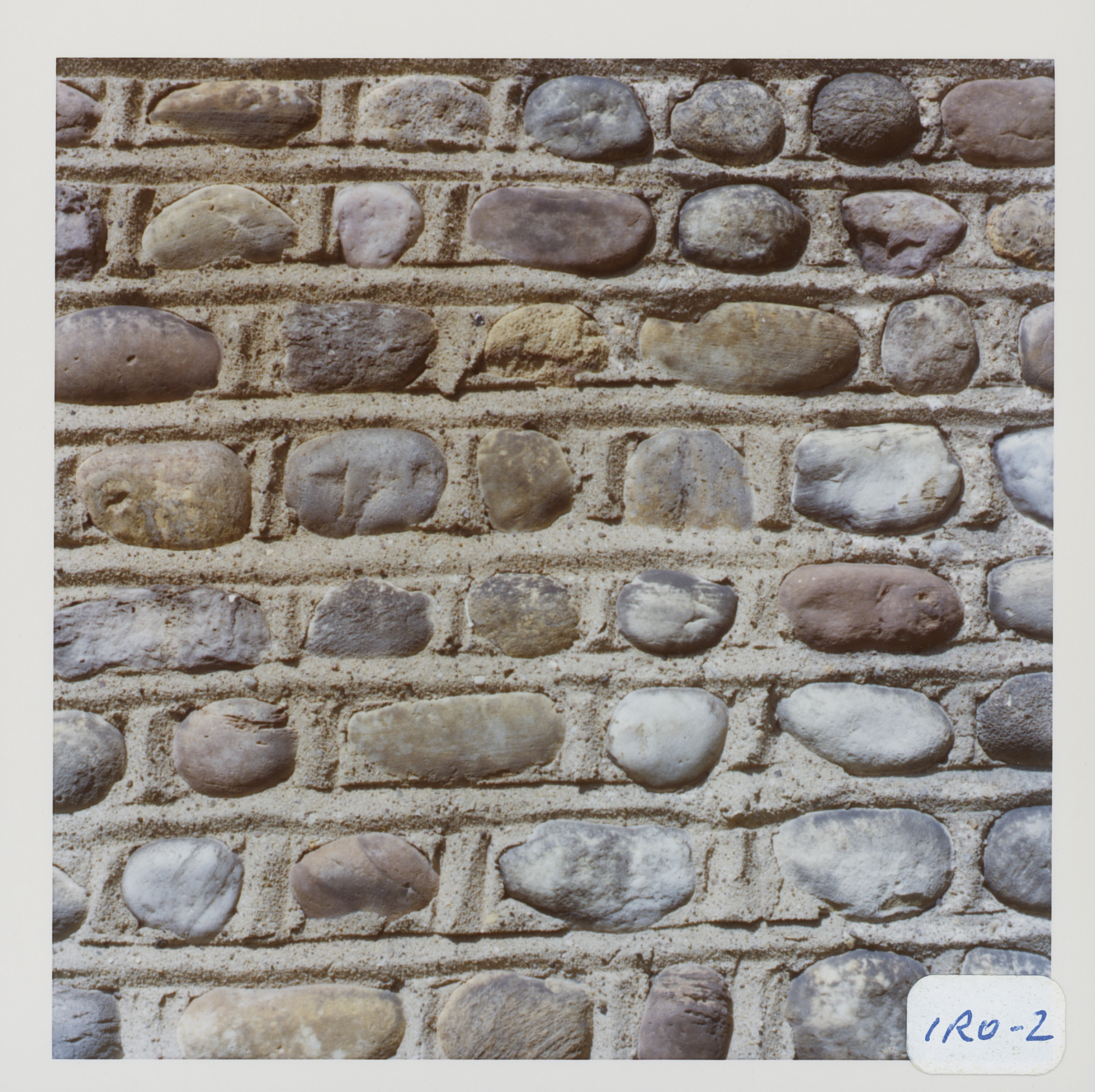
Iro_2_5.jpg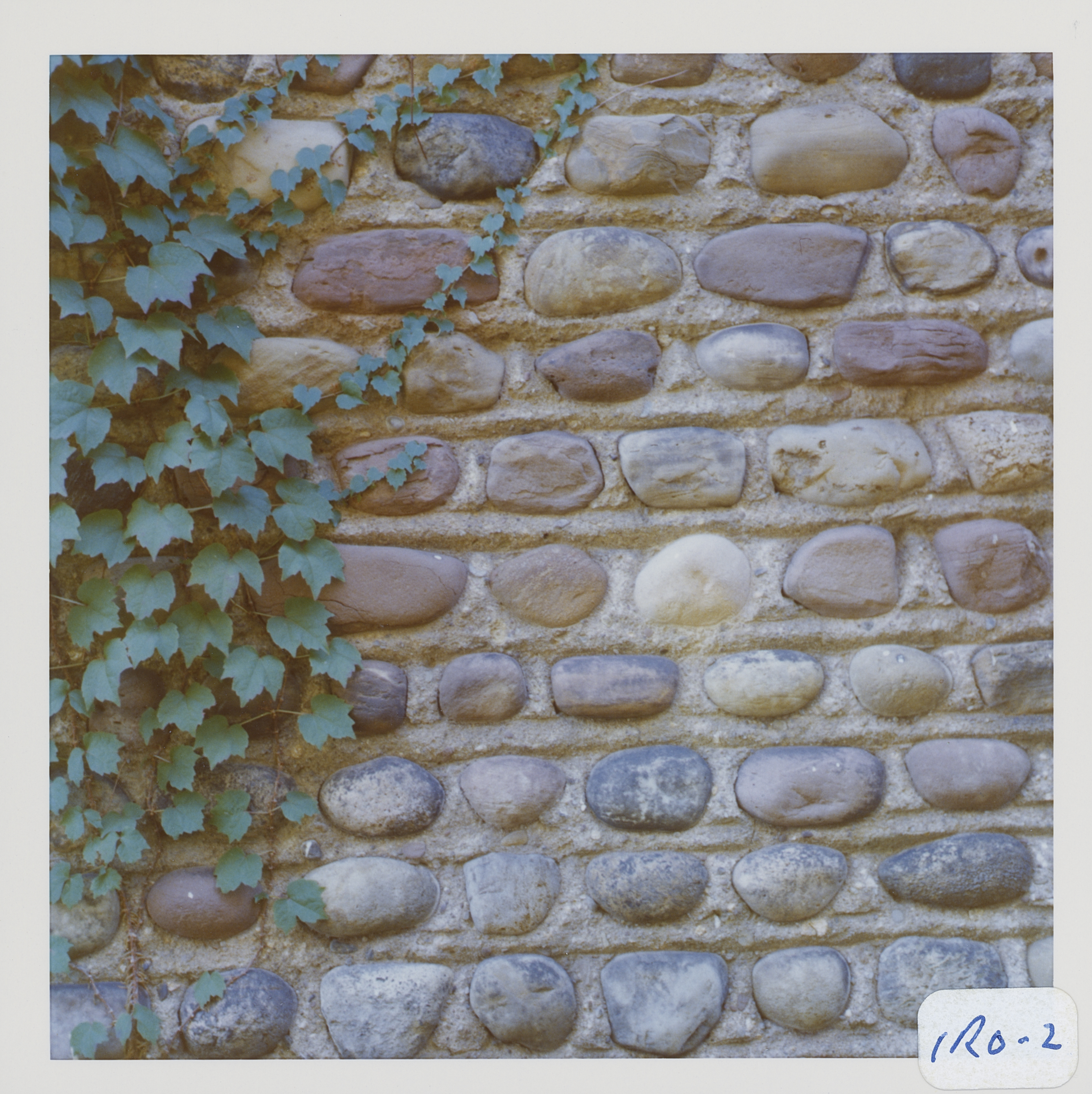
Iro_2_6.jpg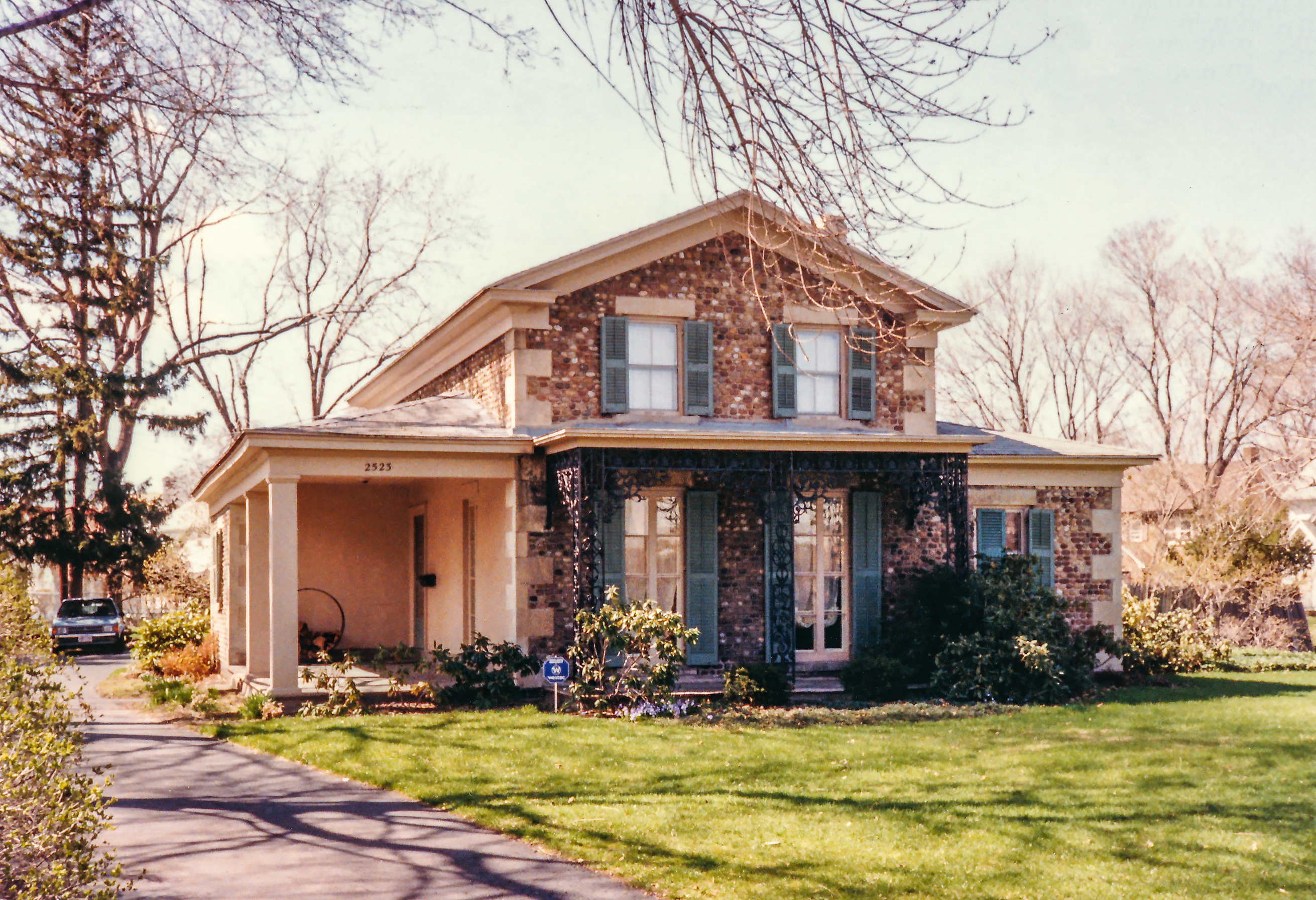
Iro-2 Flint-Grimwood 6.jpg¹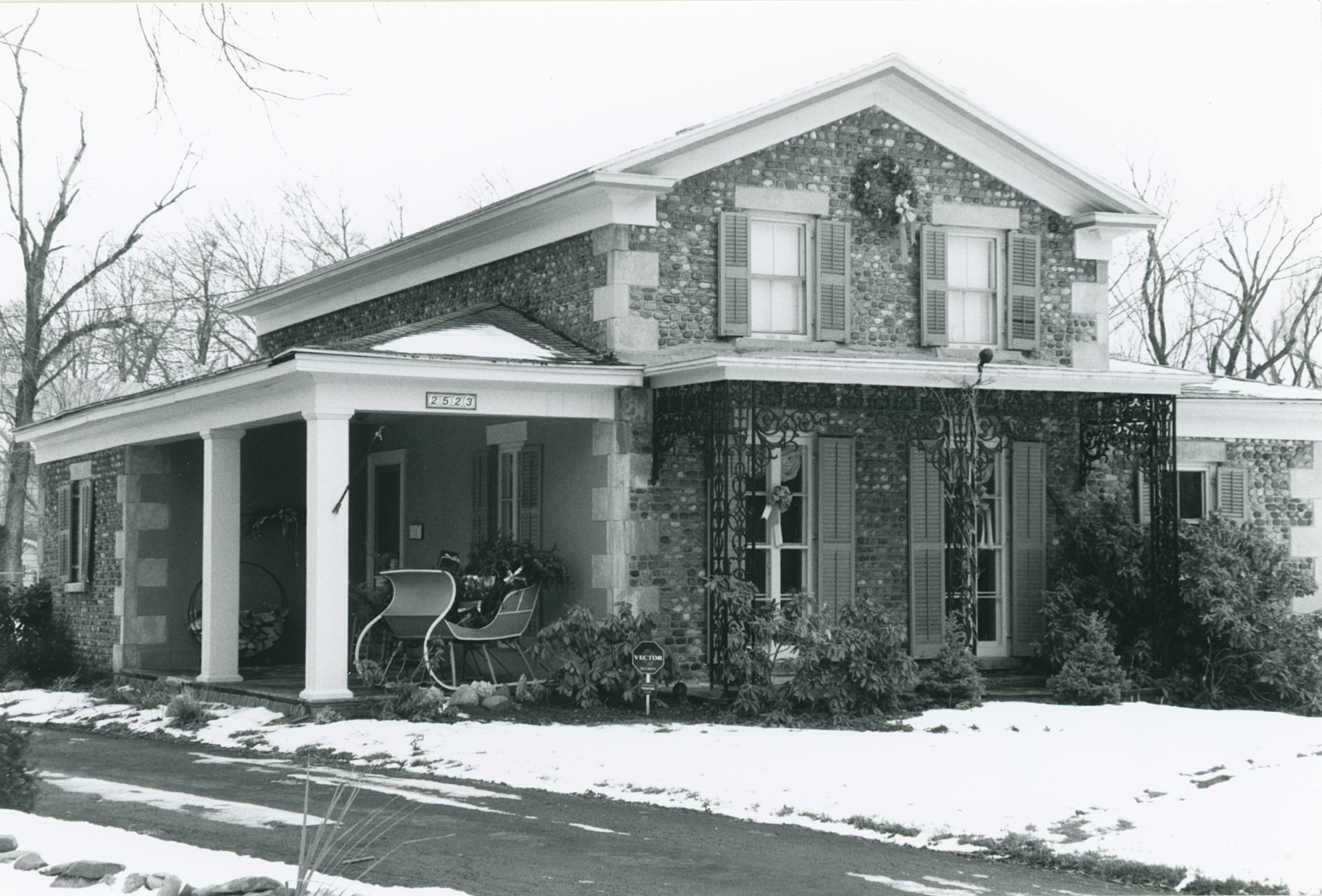
Iro-2 2523 St Paul Blvd 1.jpg ³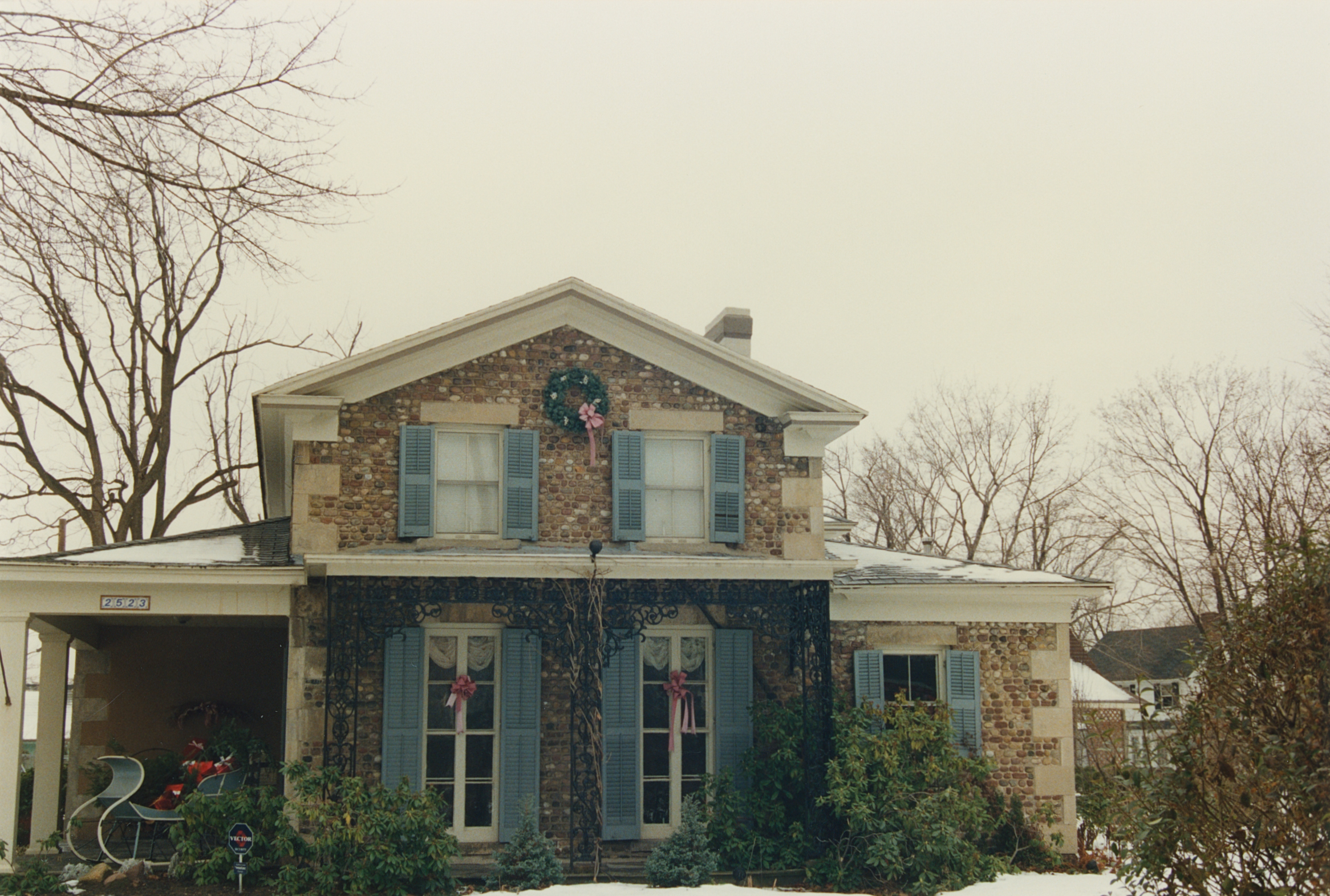
Iro-2 2523 St Paul Blvd 2.jpg ³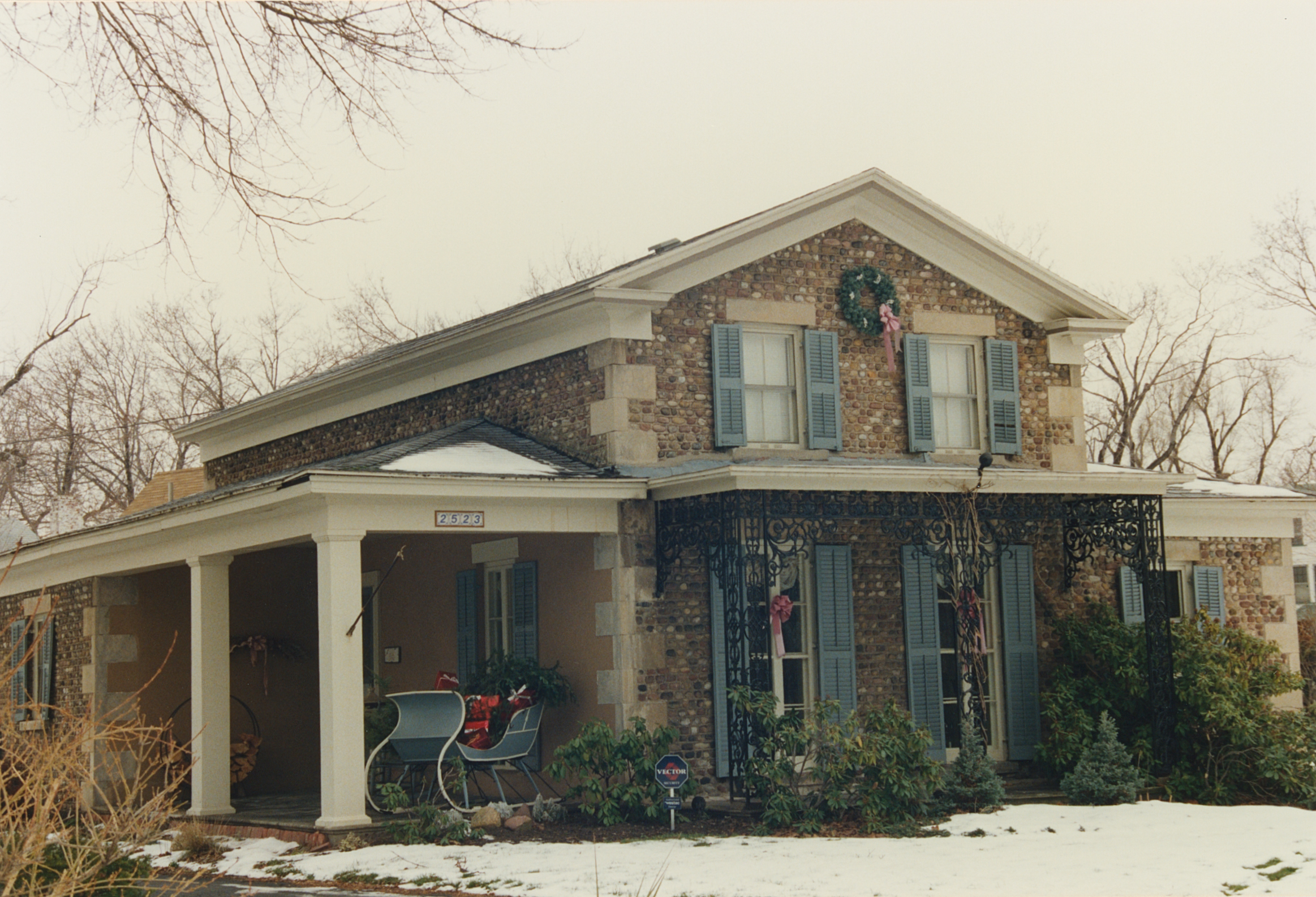
Iro-2 2523 St Paul Blvd 3.jpg ³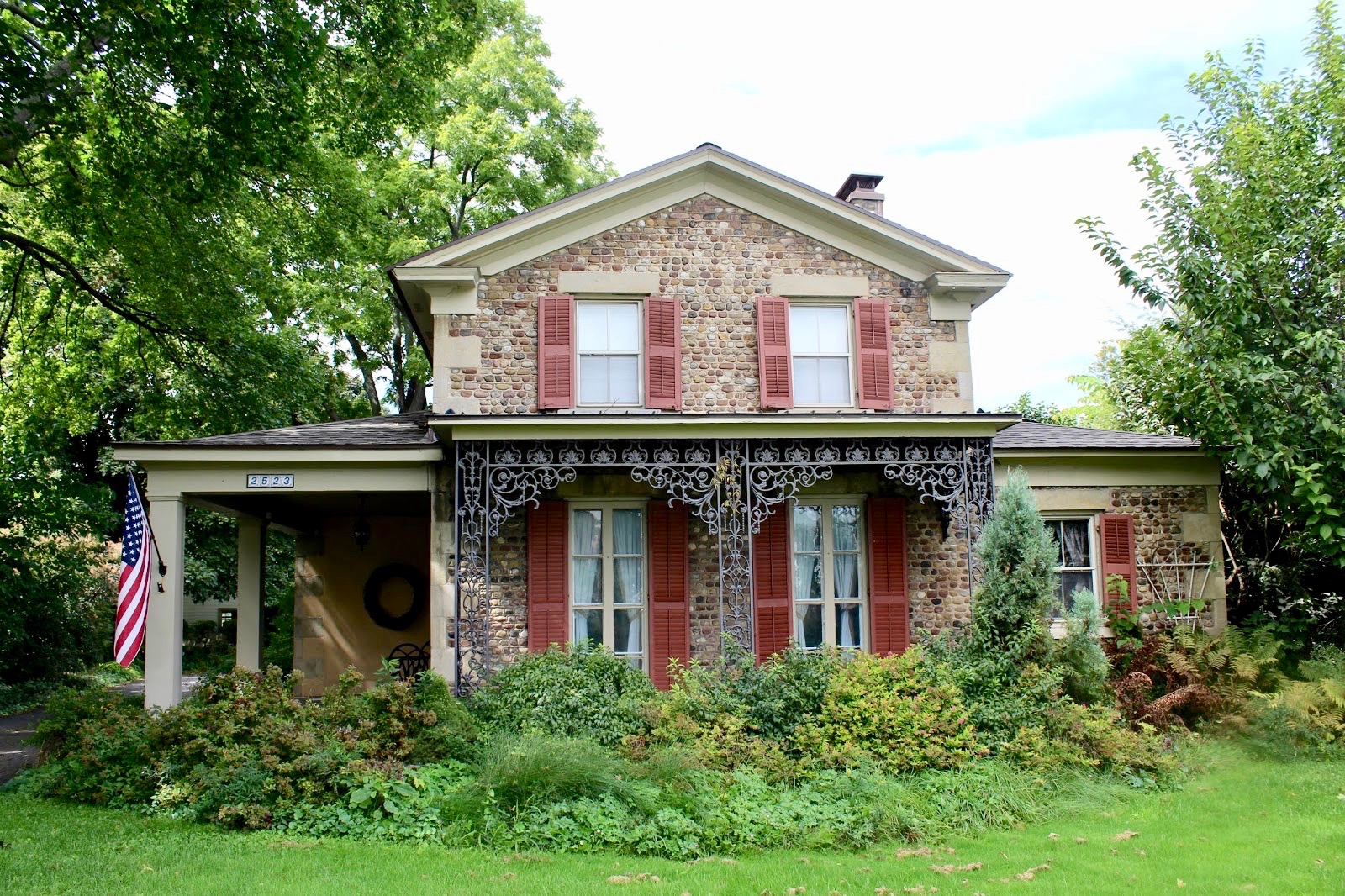
2523 St. Paul Blvd. Irondequoit.jpg 4¹ Image courtesy Cobblestone Museum.
² Image courtesy Christopher Brandt, Architect, email 02/04/2020.
³ Photography courtesy Martin and Sheila Wolfish.
4 Photography courtesy Richard Palmer.
